

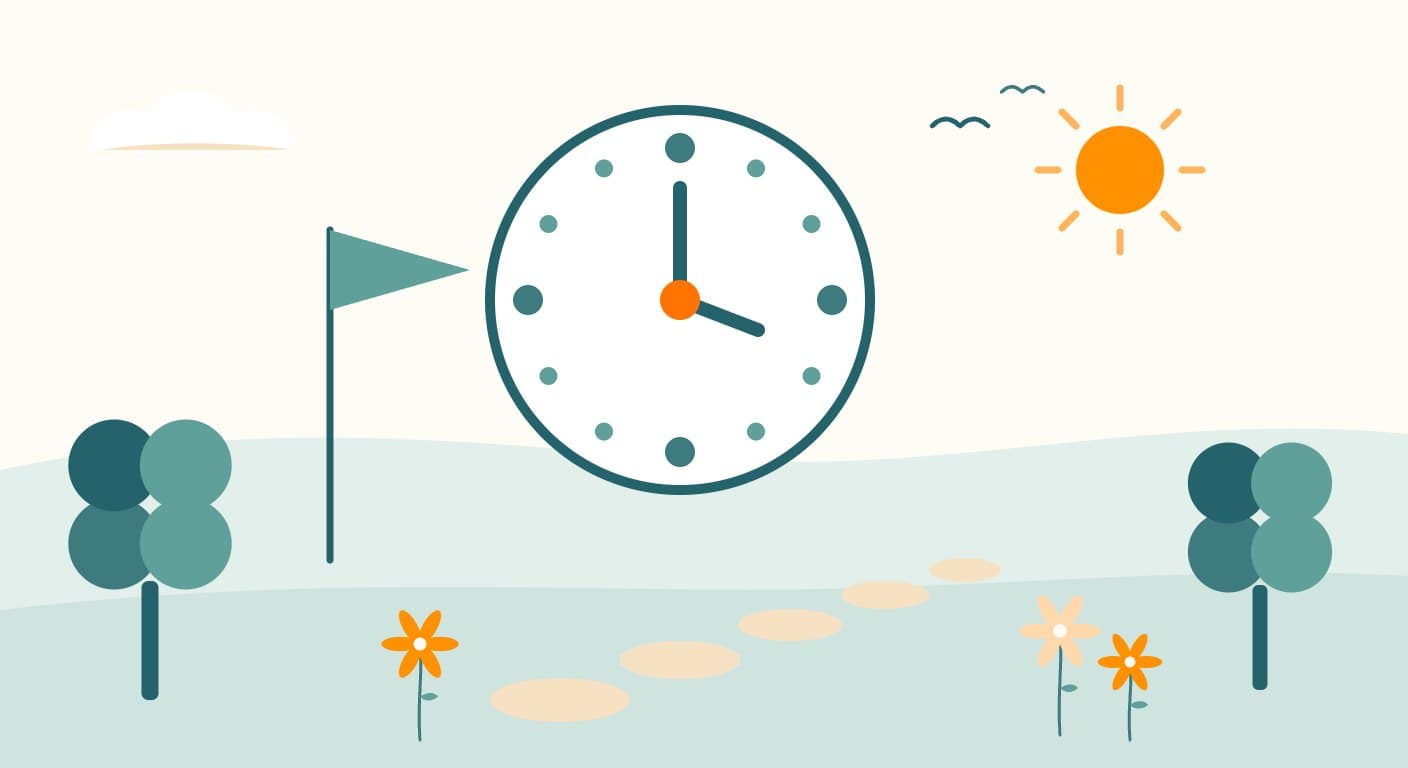
- A good summer camp schedule keeps the same order every day so campers settle in faster and staff know where everyone should be.
- Alternate busy blocks with quieter ones, and plan water breaks, a mid-morning and mid-afternoon snack, and rest time for younger campers on full days.
- A half day for ages 3 to 6 can run from 9:00 to 11:50 with circle time, outdoor play, snack, art, water play and story time.
- In mixed-age camps, keep arrival, opening circle, lunch and closing circle together, and split activity blocks by age.
- Prepare rainy-day and hot-day versions ahead of time so a weather change only means changing the schedule board.
A good camp schedule does two jobs. It tells campers what comes next, and it tells your staff where everyone should be. These sample summer camp schedules cover half days and full days, little and big campers, mixed-age groups, and the days when rain or heat means a change of plan. Change the times to fit your own program.
What every camp day needs
- The same order every day. Campers settle in faster when the day has a familiar shape, from the opening circle to pickup.
- Busy blocks and quieter blocks. Follow a running game with an art project or a story, not with another running game.
- Snack, water and rest. Plan water breaks often, a snack mid-morning and mid-afternoon, and a rest time for younger campers on full days.
- Time to move between blocks. Leave five minutes for washing hands, finding shoes and walking to the next spot.
- An opening and a closing. A short circle at the start and the end of the day gives campers a clear beginning and finish.
A half day for little campers (ages 3 to 6)
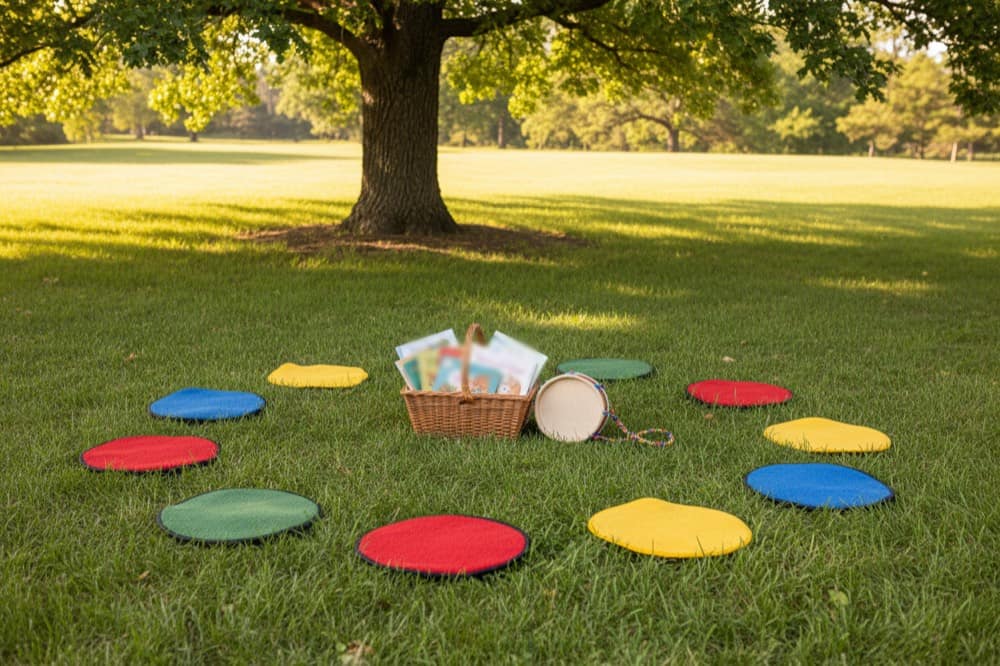
- 9:00: Arrival and free play
- 9:15: Morning circle: hello song, the weather and today's plan
- 9:35: Outdoor activity
- 10:05: Snack and water break
- 10:25: Art or discovery activity
- 11:00: Water play or a movement game
- 11:35: Story time in the shade
- 11:50: Goodbye circle and pickup
For a full day for the same age group, with lunch and rest time, see our sample camp day for ages 3 to 6. For an opening circle campers can count on, try a steady circle time routine.
A full day for big campers (ages 7 to 12)
- 8:30: Arrival and free time
- 9:00: Opening circle: today's plan and a team challenge
- 9:20: Activity block 1: sports or field games
- 10:15: Snack and water break
- 10:30: Activity block 2: art, science or building
- 11:30: Free choice: campers pick between two activities
- 12:00: Lunch
- 12:45: Quiet time: reading, cards or journals
- 1:15: Activity block 3: water games or a theme project
- 2:15: Snack and water break
- 2:30: Clubs or electives: drama, music, crafts or games
- 3:30: Closing circle: shout-outs and tomorrow's plan
- 4:00: Pickup
A mixed-age camp day (ages 3 to 12)
When campers of different ages share a camp, keep the shared parts together and split the activity blocks:
- Together: arrival, the opening circle, lunch, special events and the closing circle.
- Split by age: activity blocks, with shorter activities for little campers and longer projects for big campers.
- Rest for little campers: while younger campers rest after lunch, older campers have quiet time or a club.
- Buddy time: once or twice a week, pair big campers with little campers to read a story or build something together.
A rainy-day version
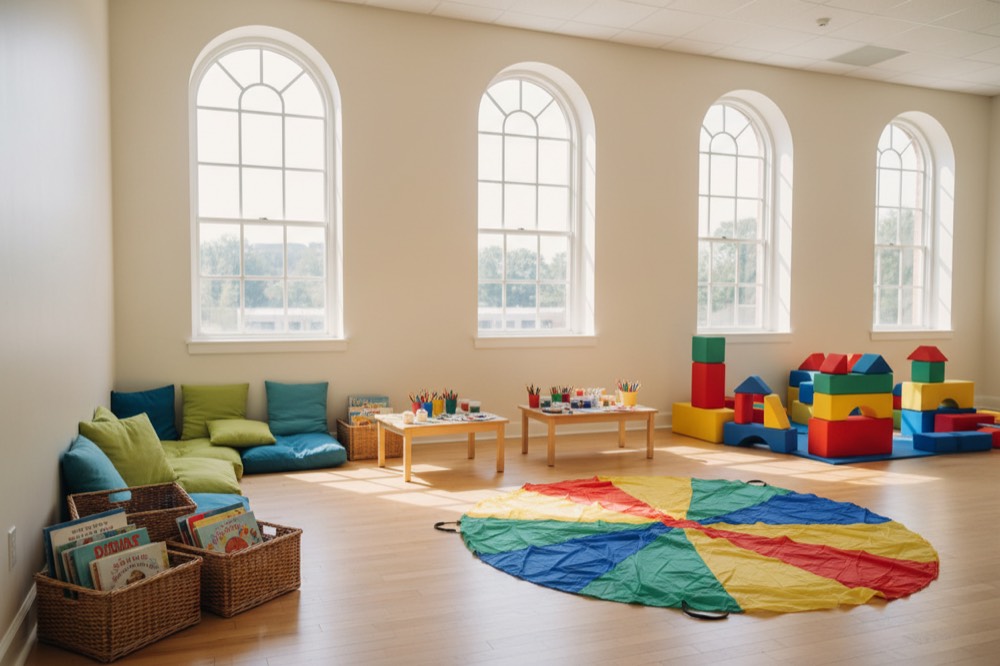
Plan indoor swaps before camp starts, so a rainy morning only means changing the board:
- Outdoor games become movement games in a gym or hall, like parachute play or musical hoops.
- Water play becomes a science table with cups, droppers and colored water.
- Nature walks become a story walk with picture book pages taped along a hallway.
- One big indoor block works well as rotating stations: reading, building, art and a game, with groups moving every 20 minutes.
A hot-day version
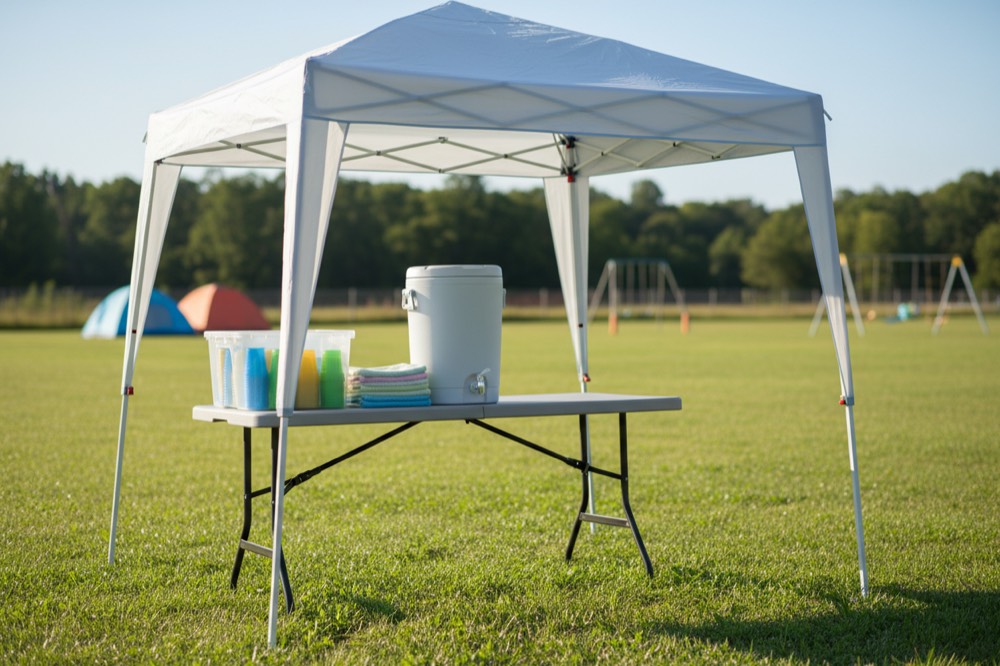
On very hot days, move the busiest activities to the cooler hours:
- Morning: outdoor games and active blocks while it's coolest.
- Midday: water play, shade activities and lunch indoors or under cover.
- Afternoon: indoor or shaded blocks, like art, stories and building.
- All day: more water breaks, shade for every outdoor block, and campers who need it can sit out a game. Follow your program's rules for heat, sun and sunscreen.
Before and after care
Many camps offer extended hours for families who work. Keep these times simple and low-key:
- Before camp (7:30 to 8:30): quiet choices like puzzles, drawing, books and a light snack.
- After camp (4:00 to 6:00): a snack, outdoor free play when it's cooler, then table games and reading until pickup.
Make transitions smooth
- Use a signal. A song, a chime or a clapping pattern tells campers it's time to finish up.
- Give a five-minute warning. Campers finish more easily when they know the change is coming.
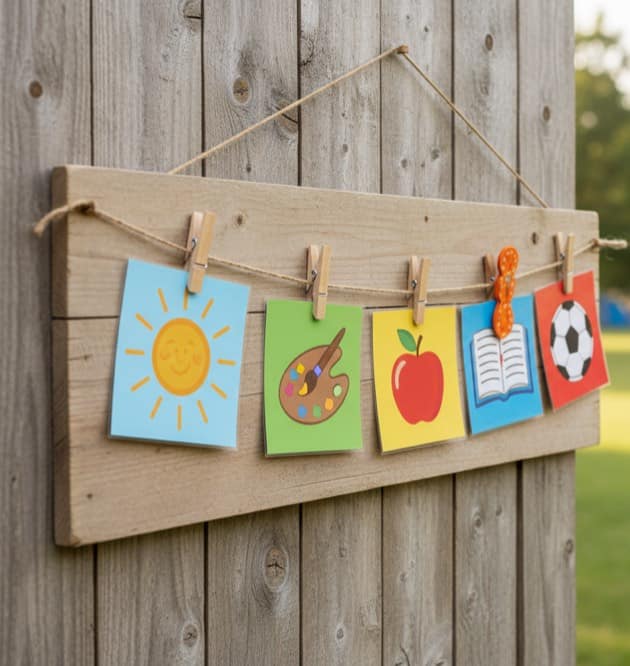
- Post a visual schedule. A board with a picture for each part of the day helps campers who can't read yet, and anyone who forgets what's next.
- Count campers at every move. Count before leaving a space and again on arrival at the next one.
- Give counselors clear roles. Decide who leads, who walks at the back and who checks the restrooms before each move.
Share the schedule with families
Families use the daily schedule to plan drop-off, pickup and what to pack. Share it before the first day, post it where families can see it, and send an update when it changes. Put the details families ask about most in a camp registration FAQ.
For activities to fill each block, see 30 summer camp activities for preschoolers and kindergarteners, 50 summer camp activities for older campers, and 10 summer camp themes for kids. Explore Bloomily for camps for the broader camp workflow.