Published
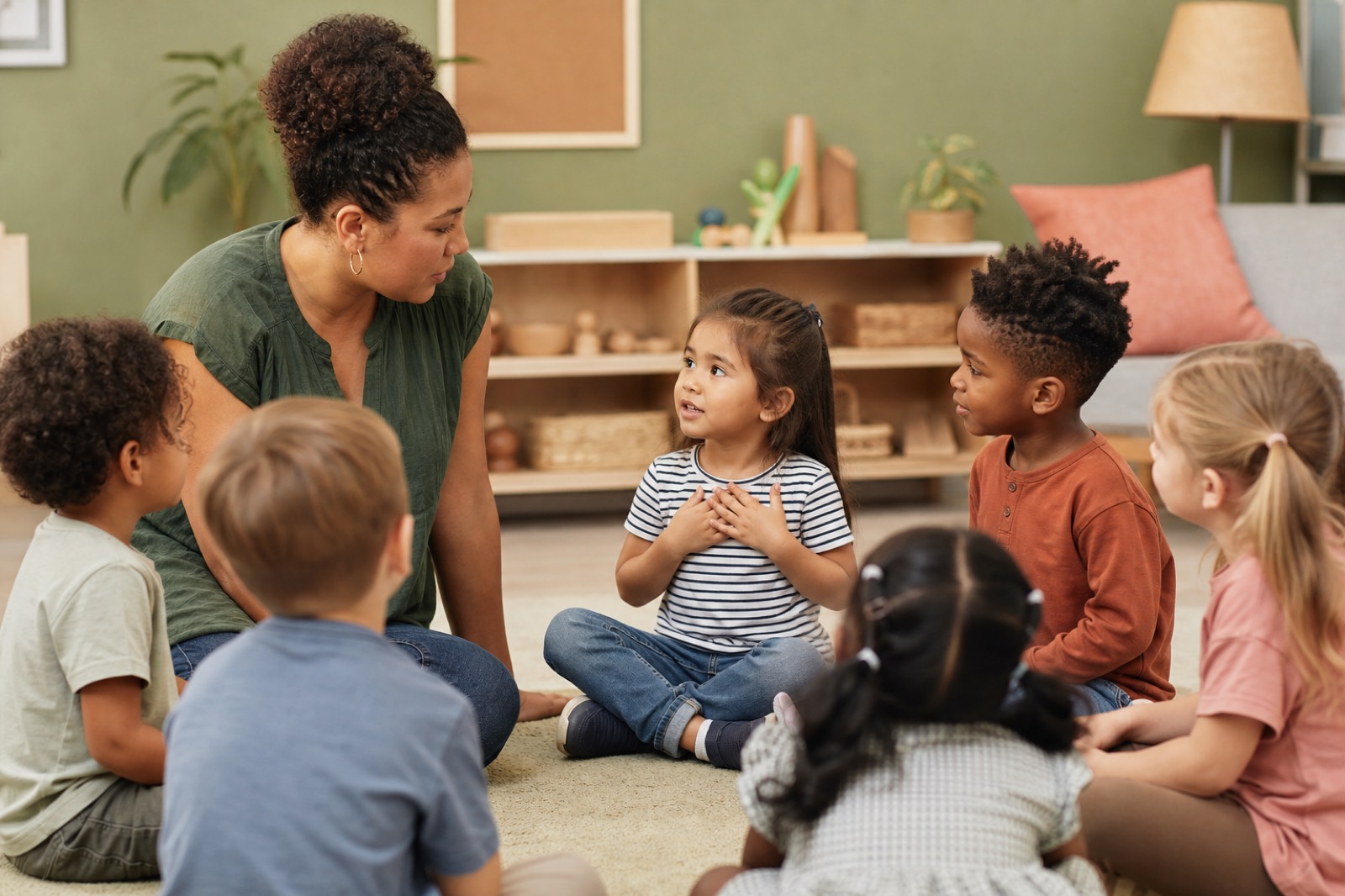
What is social-emotional learning? The CASEL framework, explained.
SEL is how children, and adults, build the skills to understand themselves, connect with others, and make caring choices. This guide breaks down what SEL means, why it matters, and the framework that anchors it all.
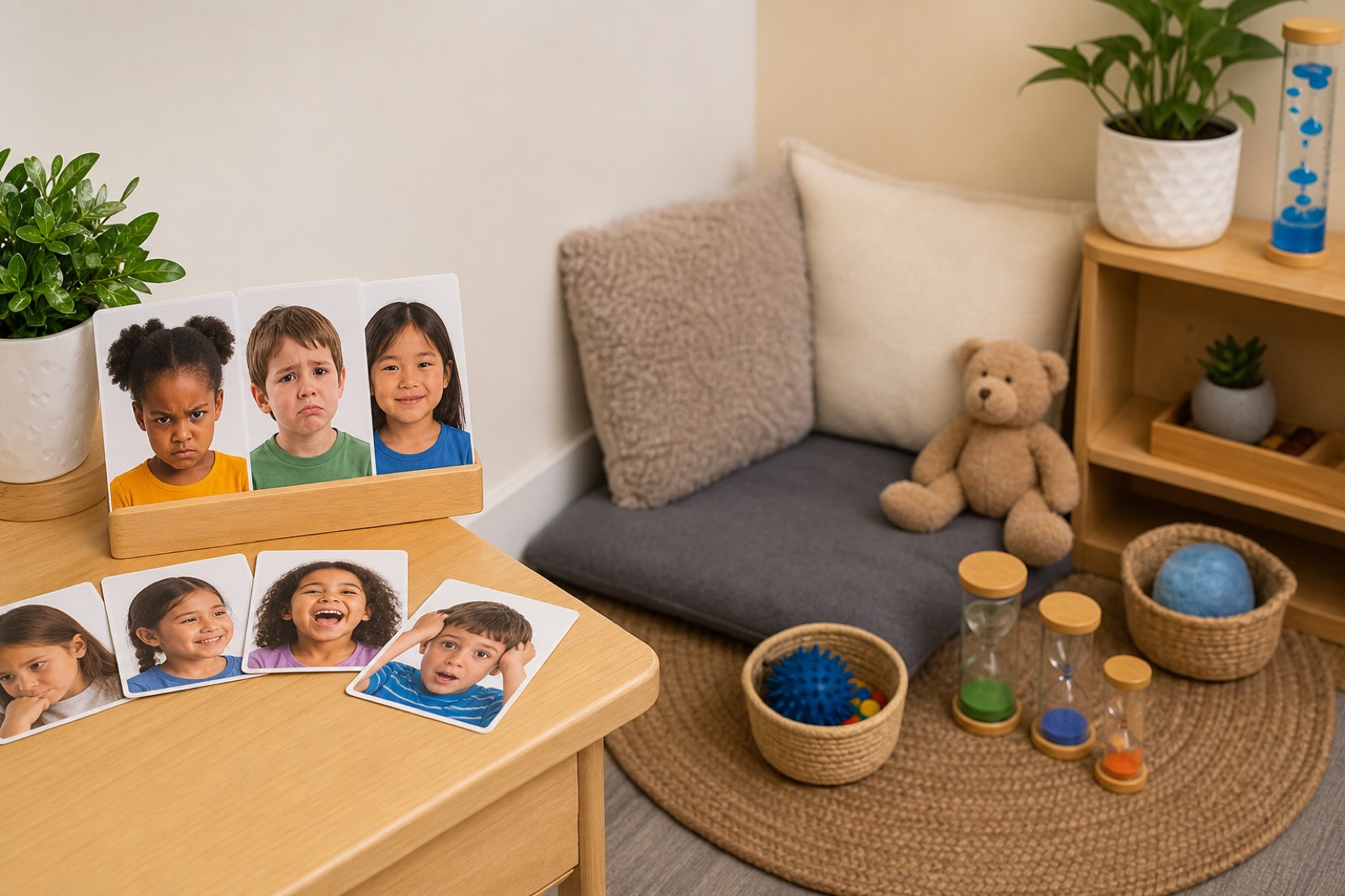
What social-emotional learning actually means
Think of a young person in your life. The skills they'll need to reach their hopes, staying motivated, communicating well, staying curious, working through problems with others, are largely social and emotional ones. SEL is how we help children build them.
Social and emotional learning is the process through which children and adults gain and apply the knowledge, skills, and attitudes to understand and manage emotions, set and reach positive goals, feel and show empathy, build supportive relationships, and make responsible, caring decisions.
CASEL, the Collaborative for Academic, Social, and Emotional Learning, is the organization most widely recognized for shaping how schools understand and teach SEL. Their framework is the common reference point for educators, districts, and states across the country, which is why it anchors this guide.
Why it matters
SEL isn't a "nice to have" bolted onto the school day. Decades of research tie it to how children learn, feel, and relate.
A foundation for everything else
The same skills SEL builds, focus, motivation, collaboration, set children up for academic success, healthy relationships, and responsible citizenship.
The evidence is clear
SEL in schools is linked to stronger academic performance, better behavior, more positive relationships, and reductions in stress, anxiety, and bullying.
No one-size-fits-all
SEL works by bringing families, schools, and communities together so every child has caring relationships and what they need to thrive.
Longitudinal UK research found that strong social and emotional skills developed by age ten predict adult outcomes like wellbeing, life satisfaction, and success at work.
In other words, the skills children practice at the carpet in reception echo across a lifetime. That's a big part of why bodies like the Education Endowment Foundation now treat SEL as a core, evidence-based priority rather than an optional extra.
The CASEL wheel
Most people know the framework as the "CASEL wheel." At its center sit five core competencies. Around them are the four settings where children live and grow, coordinated by strong school–family–community partnerships.
Reading the wheel
The five core competencies
These five areas are broad, interrelated, and grow with a child from preschool into adulthood. They rarely appear one at a time, a single moment of play or conflict usually calls on several at once.
Self-awareness
Understanding yourself
Recognizing your own emotions, thoughts, and values and seeing how they shape what you do, while holding a grounded sense of your strengths, limitations, and purpose.
- Naming feelings
- Linking feelings to thoughts
- A growth mindset
- Self-efficacy
- Recognizing strengths
Self-management
Managing yourself
Handling emotions, thoughts, and behavior across different situations, managing stress, staying motivated, and working toward personal and shared goals.
- Calming strategies
- Impulse control
- Goal-setting
- Self-discipline
- Taking initiative
Social awareness
Understanding others
Taking the perspective of others and empathizing, including people from different backgrounds and cultures, and recognizing the norms and supports around them.
- Perspective-taking
- Empathy & compassion
- Gratitude
- Seeing strengths in others
Relationship skills
Connecting with others
Building and keeping healthy, supportive relationships, communicating clearly, listening, cooperating, resolving conflict, and seeking or offering help.
- Active listening
- Teamwork
- Conflict resolution
- Asking for help
- Standing up for others
Responsible decision-making
Making caring choices
Making constructive, caring choices about behavior and interactions, weighing consequences, considering ethics and safety, and thinking through problems.
- Open-mindedness
- Weighing consequences
- Problem-solving
- Reflecting on impact
SEL doesn't stop at the classroom door
Skills stick when they're reinforced everywhere a child goes. That's why the framework surrounds the competencies with four coordinated settings.
Classrooms
Explicit SEL instruction plus a warm, safe climate, where skills are taught, modeled, and woven into everyday academics.
Schools
Schoolwide culture, practices, and policies, from the hallway to the cafeteria, that give every child a sense of belonging.
Families & caregivers
Authentic, two-way partnerships that honor families as children's first teachers and extend SEL into the home.
Communities
Aligned learning opportunities beyond the school day, where children practice skills in settings that matter to them.
How SEL connects to mental health
Social and emotional skills are protective factors for mental health, they give children tools to handle the everyday challenges that get in the way of learning, like focusing, getting along with peers, and managing strong feelings.
SEL doesn't replace specialist support for children who need it. Think of it instead as a foundation that promotes healthy development for all children, while also providing a framework for the earlier, more targeted help that some will need.
Free download: the SEL Activity Pack (ages 3–5)
Five no-writing activities, one for each part of the CASEL 5: All About Me, My Calm-Down Plan, Fair or Not Fair? The Kindness Flower, and What Happens Next?
Next in the series
Now that you know the what and why, Part 2 covers the how: evidence-based, play-friendly strategies for teaching each competency in your classroom.
Bloomily for your program
One useful email, when there’s something worth saying.
New guides for childcare and camp operators. No drip campaign, no noise.
See it with your name on the door.
Book a demoSet up in an afternoon.